
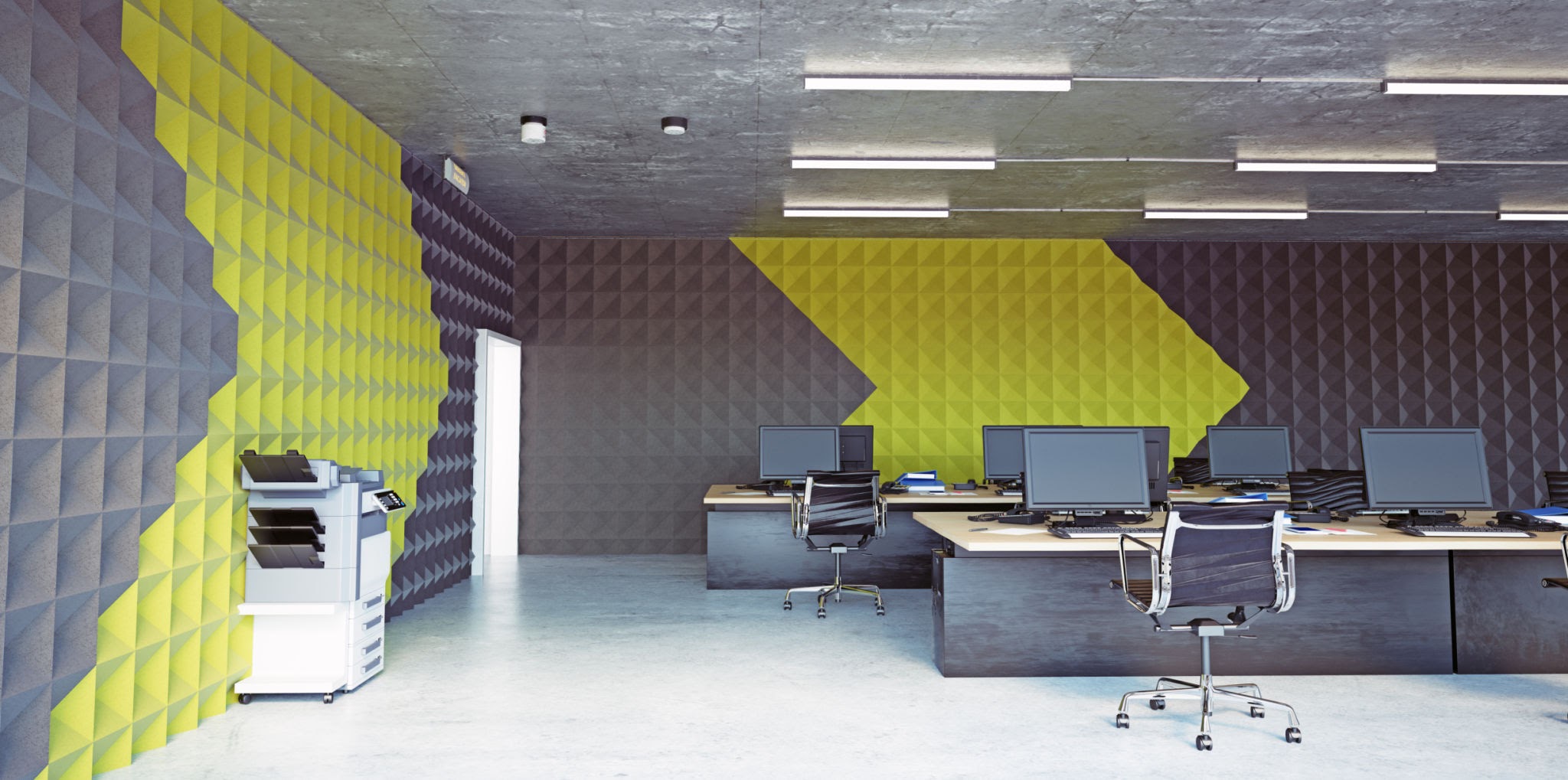
The design of a comfortable and productive interior space is not limited to the selection of beautiful furniture and fashionable paint colors. Sound contributes significantly to the way individuals feel about a space. Too much noise can render offices unproductive, classrooms difficult to study in, restaurants less enjoyable and homes less relaxing. Here acoustical wallcovering is a great solution. It integrates both the visual and sound control, which contributes to the creation of beautiful and functional interiors.
Acoustical wallcovering, unlike the traditional wall finishes, is a sound-absorbing material that is meant to absorb sound waves and minimize unwanted noise. It improves the clarity of speech, reduces the echo, and helps to create a more relaxed environment.
What Is Acoustical Wallcovering?
Acoustical wallcovering is a special treatment of the wall which enhances the acoustic performance of a room by absorbing sound rather than reflecting it. It is constructed using materials that are designed to minimize echo, reverberation and background noise and yet look attractive.
These wallcoverings come in a variety of textures, colors and patterns and can be used in a variety of interior design styles. Acoustical wallcovering, whether it is installed in a conference room of an office or a hotel lobby, provides both beauty and functionality.
It enables designers and property owners to design spaces that appear elegant and provide a more comfortable and quieter setting.
Benefits of Acoustical Wallcovering
Among the largest benefits of acoustical wallcovering is the possibility to enhance the quality of sound. It minimizes echo and regulates noise levels, which form spaces in which conversations are better understood and distractions are reduced.
Better acoustics can enhance the concentration and productivity of employees in workplaces. Schools have better speech intelligibility and students are able to hear instructors better. Medical institutions have a lower noise level and this encourages patient comfort and healing.
Restaurants and hotels are hospitality facilities that offer a more comfortable experience to the guests.
In addition to acoustic performance, these wallcoverings also beautify interiors. They are able to conceal small flaws on the wall, provide texture, and make it look professional and smooth. Most of the products are also durable, easy to maintain, and wear resistant hence a smart long-term investment.
Where Acoustical Wallcovering Works Best
Acoustical wallcovering can be used in a broad variety of settings where sound control is a consideration. It is commonly used in corporate offices in conference rooms, executive offices, open workspaces, and collaboration spaces to reduce distractions.
Acoustical wallcovering is installed in educational facilities in classrooms, lecture halls, libraries, and auditoriums to enhance learning environments. The healthcare facilities enjoy less noise in their patient rooms, waiting bays, and treatment rooms that minimize stress and enhance healing.
Hotels, restaurants, theaters, museums, recording studios and entertainment establishments also use acoustical wallcovering to develop desirable sound environments. Homeowners are also adding these products to home theaters, media rooms, home offices, and living areas to make them more comfortable.
Materials and Design Options
Current acoustical wallcovering is offered in a broad range of materials to suit various functional and aesthetic needs. Acoustic panels with fabrics are still among the most popular options since they can be used to achieve good sound absorption and at the same time have a soft and elegant look.
Alternatives are polyester fiber panels, acoustic wallcoverings with vinyl faces, fiberglass-backed systems, and recycled materials that promote environmentally friendly construction. These products are available in an infinite variety of colors, textures and customizable designs, which means that architects and designers can find a match to almost any interior style.
Be it a minimalist office, a luxury hotel, or a colorful educational institution, acoustical wallcovering provides flexibility in design without compromising acoustic performance.
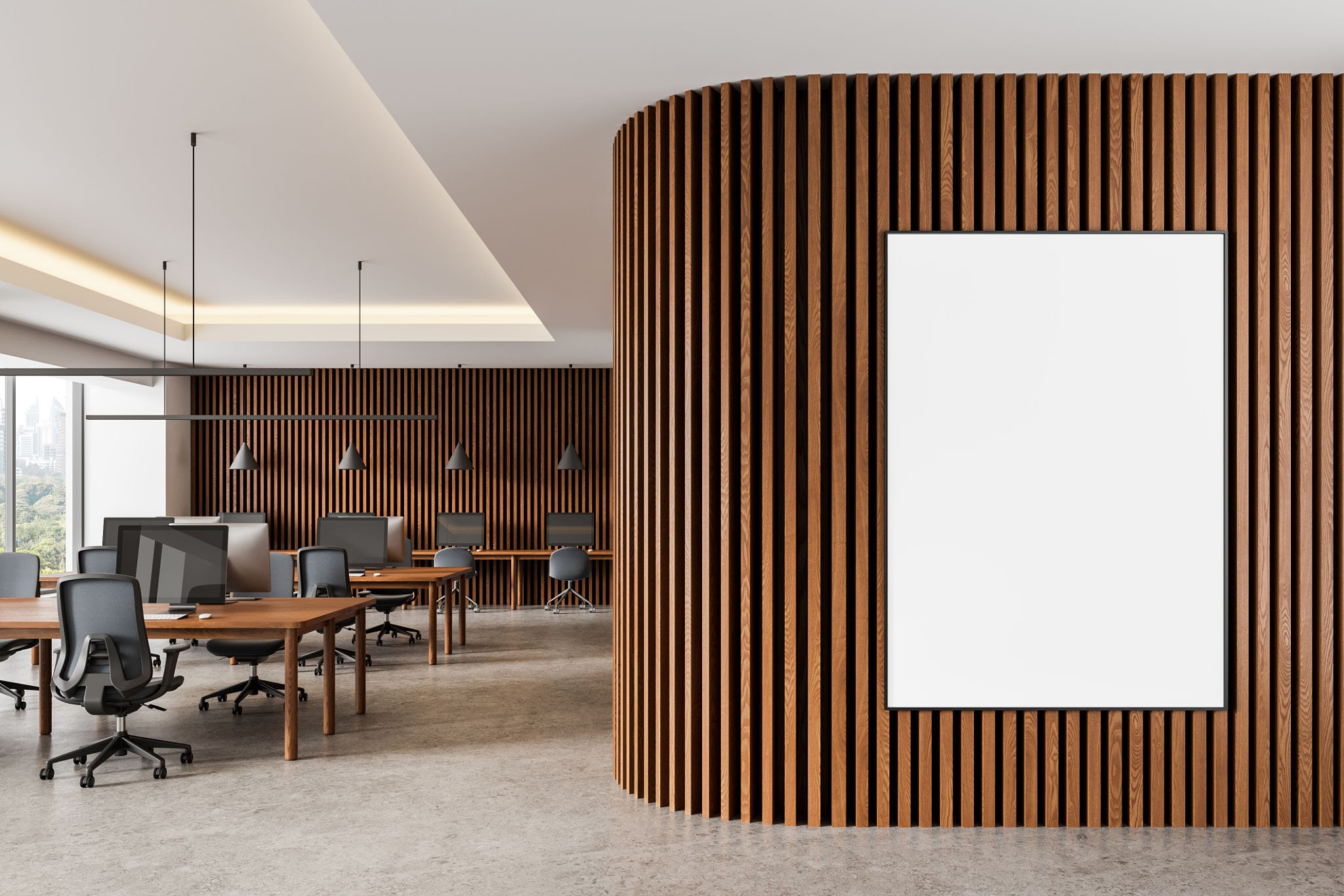
The Role of Acoustical Wallcovering in Modern Interior Design
Interior design is no longer concentrated on the looks. Designers have come to realize that comfort, functionality and user experience are also essential. Acoustical wallcovering is crucial in the attainment of this balance.
Designers can make spaces that are relaxing and welcoming by incorporating sound-absorbing surfaces into decorative wall treatments. Acoustical wallcovering is of great benefit to open-concept offices, which are usually plagued by noise, and do not affect the modern look of the office.
This beauty and performance has seen acoustical wallcovering become a favorite of architects who want to create a visual effect and at the same time achieve acoustic perfection.
Installation and Maintenance
To realize the optimal acoustic performance, proper installation is necessary. Professional installers make sure that the wallcoverings are firmly attached and placed to achieve maximum sound absorption in the room.
Maintenance is not very difficult. The majority of acoustical wall coverings need regular dusting or mild vacuuming to maintain the surfaces. Others have stain resistant or washable finishes, which makes them appropriate in high traffic commercial settings.
Frequent checkups will assist in detecting minor damages before it gets more severe and prolong the life of the wallcovering and keep it looking good through years.
Sustainability and Environmental Benefits
The concept of sustainability is a new consideration in contemporary construction and interior design. Most manufacturers currently manufacture acoustical wallcovering with recycled fibers, renewable materials and manufacturing processes that are environmentally friendly.
Certain products also lead to green building certifications in terms of aiding indoor environmental quality and minimizing waste. Durable construction implies less replacements in the long run, which can help save resources and minimize the impact on the environment in the long term.
By selecting sustainable acoustical wallcovering, businesses and homeowners can enhance acoustic comfort and also contribute to environmentally friendly building.
Choosing the Right Acoustical Wallcovering
The choice of the best acoustical wallcovering is based on various factors such as the purpose of the room, the level of noise reduction required, design, durability and maintenance expectations.
Commercial spaces can need products with higher sound absorption ratings whereas ornamental residential installations can need a combination of aesthetics and moderate sound absorption. Experienced designers or acoustic specialists can be consulted to find out the optimal solution depending on the size and layout of the room and the performance objectives.
The combination of functionality, appearance, and budget will guarantee a successful investment that will make the place more comfortable and attractive.
Common Myths About Acoustical Wallcovering
Most individuals think that acoustical wallcovering is required in recording studios or theaters. The fact is that, almost any interior setting can be improved in terms of sound management. Comfort in offices, schools, healthcare facilities, restaurants, and homes is enhanced by the minimization of unwanted noise.
Other myth is that the acoustic products are dull or ugly. The contemporary acoustical wallcoverings are offered in fashionable designs, superior textures, and custom finishes that are compatible with the modern interiors. The current products demonstrate that high-quality acoustic performance and attractive design can be combined in a perfect way.